
Do Uber and Lyft Provide Insurance for Passengers?
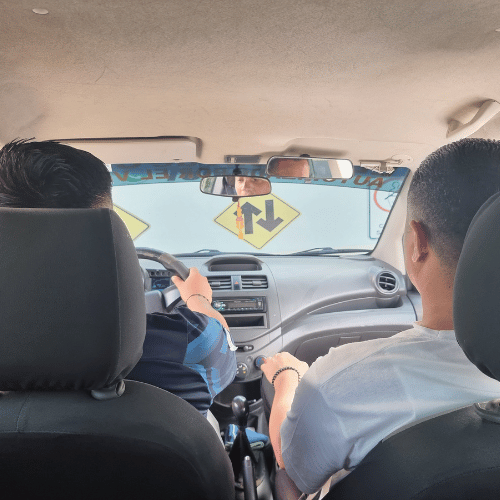
If you’re driving your personal vehicle and using a transportation network company (TNC) like Uber or Lyft to connect with passengers, insurance issues can be complicated. It’s important to understand who pays for what before an accident happens, and to make sure you as a driver are protected.
Will Personal Auto Insurance Cover a Rideshare Driver’s Injuries?
In Massachusetts, as in most states, automobile insurance carriers are allowed to exclude coverage for accidents that happen while the vehicle is being used for business purposes. Most do exclude that coverage. That creates problems not just for rideshare drivers, but also many others who use apps to find work, such as DoorDash drivers.
Some car insurance companies offer a special endorsement for those using their personal vehicles for work like rideshare driving and deliveries. However, if you haven’t purchased that coverage, your own insurance policy likely won’t cover anything related to an accident that happens while you’re working. Purchasing the additional coverage will raise your rates, but protects you if you are in an accident on the job.
Is the Rideshare Company Responsible for My Injuries?
Rideshare companies like Uber and Lyft generally aren’t directly liable for accidents involving rideshare drivers. That’s because the drivers aren’t employees of the company. Since the driver isn’t an employee, they also won’t qualify for workers’ compensation coverage for the injury.
Does the Rideshare Company Provide Insurance Coverage?
When you decide to start working as a rideshare driver, it’s important to educate yourself about the specific coverage offered by the network you’re using. The coverage may differ from state to state. Even more important, it differs depending on what you’re doing at the time of the accident.
Massachusetts, like many other states, requires TNCs to carry certain minimum coverages. The state also requires an annual report from the Department of Insurance to help monitor and review requirements.
Insurance Requirements Under M.G.L. c 175 §228
The vast majority of the insurance coverage required for a TNC like Uber or Lyft in Massachusetts is intended to benefit passengers, people in other vehicles, pedestrians, bicyclists and others who are injured in a collision that is the rideshare driver’s fault. That includes liability for bodily injury and damage to someone else’s property. And, the minimum insurance coverage requirements are higher than the general automobile insurance requirements in the state. But none of that helps an injured rideshare driver.
The only insurance the carriers are required to offer for the benefit of the rideshare driver is $8,000 in personal injury protection (PIP). While the PIP coverage will pay driver medical bills, the relatively low cap means that it won’t cover the expenses associated with a serious injury. Even a badly broken bone can easily cost more than $8,000 to treat.
Other Liability Issues for Rideshare Drivers
While the primary concern after an accident may be getting medical care covered, a rideshare driver who is at fault in an accident may face other liabilities. That’s because although the TNC is providing insurance coverage, the driver is still personally liable for an accident they caused. And, their own insurance coverage generally won’t apply unless the driver has purchased a rideshare endorsement.
That means the driver may personally be responsible for damages not covered by the rideshare company’s insurance, including the deductible.
What if I Was Off Duty When the Accident Happened?
The insurance coverage provided by the rideshare company only applies when you’re on duty, whether that means logged in and driving around waiting for a request, en route to pick up a passenger or transporting a passenger. Neither the company nor their insurance carrier will play any role if the accident happened while you were logged out and attending to personal business.
Of course, the coverage exclusion on your own insurance policy also won’t apply, since you weren’t engaged in business at the time of the accident. That means you’ll have exactly the coverage you purchased under your personal motor while insurance policy. Note that if you purchased only the mandatory minimum insurance coverage, coverage for your medical expenses will be limited to the same $8,000 in PIP the rideshare companies are required to offer.
What if the Rideshare Driver Wasn’t at Fault?
If a rideshare driver is injured in an accident that is someone else’s fault, liability works the same way it would if they had been driving for personal purposes. The at-fault driver is generally responsible for damages. The injured driver (or their personal injury attorney, if the injuries are serious) can file a claim with the responsible driver’s insurance carrier.
The coverage available will depend on the responsible driver’s policy, but the minimum required by law is $25,000 per person for bodily injury liability.
Depending on the circumstances, you may also be entitled to collect compensation through the rideshare company’s uninsured or underinsured motorist coverage.
Get Help after a Rideshare Accident
If you were injured while operating your vehicle as a rideshare driver, insurance can be complicated and it may be difficult to determine whether you are entitled to coverage for your injuries. The best way to find out is to talk to an experienced Lowell car accident lawyer as soon as possible after your accident.
The Broderick Law Firm right now by calling 978-459-3085 or fill out our contact form.